Disclosure: We may earn a commission when you buy through links on this page, at no extra cost to you. We buy nothing, sell nothing and accept no payment for coverage — commissions never decide what we recommend. How we make money.
A massage chair recliner is a reclining chair with built-in rollers, vibration, air compression, heat, or a mix of these comfort features. It sits between a regular recliner and a large full-body massage chair: more targeted and feature-rich than standard furniture, but usually simpler, smaller, and less enveloping than a top-tier full-body design.
This type of chair makes the most sense if you want everyday lounging comfort with some back, neck, shoulder, calf, or foot coverage, but you do not need the biggest track system, the deepest stretch programs, or a chair that takes over an entire room. The right choice comes down to 4 practical things: body fit, massage coverage, recline clearance, and intensity control.
What a massage chair recliner is, in 2 to 4 main components
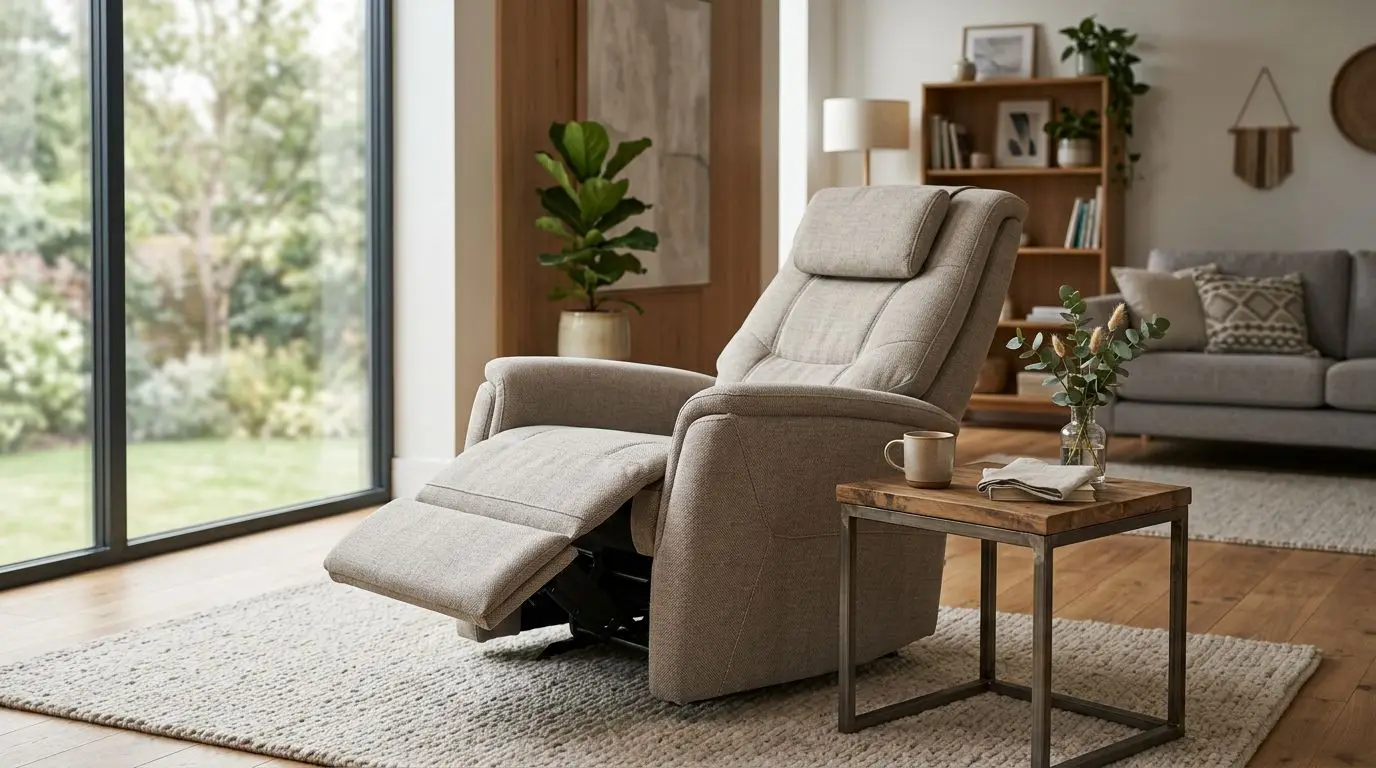
A massage chair recliner starts with the familiar shape of a home recliner: a padded seat, a tilting backrest, armrests, and often a pop-up or motorized leg rest. The difference is inside. Instead of only cushioning and a recline mechanism, the chair adds moving rollers, stationary vibration motors, air bags, heat pads, or a foot and calf assembly.
Most designs use 2 to 4 feature groups. A simpler chair may have vibration zones and lumbar heat. A more advanced recliner-style chair may add a roller track in the back, air compression around the calves or arms, and a powered footrest. Some include preset programs that run for about 10, 15, or 20 minutes, while others rely on basic manual controls.
The key difference is purpose. A regular recliner is furniture first. A full-body massage chair is built around coverage and mechanical movement first. A massage chair recliner tries to do both, which is why the category includes compact living-room chairs as well as larger recliner-shaped chairs with foot rollers and body scanning.
| Chair type | Main purpose | Typical coverage | Room impact |
|---|---|---|---|
| Regular recliner | Lounging, reading, TV | No built-in massage, or basic vibration in some versions | Often 30 to 40 inches wide |
| Massage chair recliner | Lounging plus comfort-focused massage features | Back, lumbar, calves, feet, or selected zones | Usually medium footprint, often needs wall clearance |
| Full-body massage chair | Broad mechanical coverage and program variety | Neck to glutes, legs, feet, arms in many designs | Often the largest and heaviest option |
How coverage differs from full-body chairs across 30 to 55 inches of track
Coverage is the first shopping issue. In a recliner-style massage chair, the back mechanism may be short, medium, or full length. A shorter back track may focus on the upper and mid back. A longer track may run from the neck area down toward the lower back, while some extended tracks continue under the seat toward the glutes.
Track length matters because rollers can only work where the track allows them to travel. A common straight or slightly curved back track may cover roughly 30 to 36 inches. An L-track or SL-track design can be longer, often around 45 to 55 inches depending on chair size and construction, because it continues below the backrest and under the seat.
Do not assume every recliner-style massage chair has full-body coverage. Many do not. Some have a real roller track in the back but only vibration in the seat. Others have air compression in the calves but no foot rollers. A few look like standard recliners from the outside yet include a surprisingly long track.
Common coverage zones
- Neck and shoulders: Best served by adjustable roller height or body scanning. Fixed rollers may miss taller or shorter users.
- Mid back: The easiest area for most roller systems to cover consistently.
- Lower back: Look for roller reach into the lumbar area, not just heat or vibration.
- Seat and glutes: Usually requires an L-track or SL-track design, not a short back-only track.
- Calves and feet: May use air compression, rollers, vibration, or a combination.
Coverage should match your expectations. If you mainly want a recliner that feels better than a plain chair after work, a mid-back system may be enough. If you want mechanical contact from the neck area down under the seat, narrow the search to long-track designs and confirm the foot and calf features separately.
Comfort and intensity: why 3 settings can matter more than 12 programs
Comfort is not just softness. It is the balance between cushioning, roller depth, recline angle, foot support, and how much control you have over intensity. A chair with 12 preset programs can still feel wrong if the rollers are too firm, the neck position is too high, or the footrest does not match your leg length.
At minimum, look for 3 intensity levels or clear manual controls. Low intensity should feel gentle enough for daily use. Medium should feel noticeable without forcing you to brace against the chair. High intensity should be optional, not the default.
Recliner-style chairs vary widely in padding. Extra cushioning can make the chair easier to lounge in for a 2-hour movie, but it may soften the feel of the rollers. Thinner padding can make the massage feel more direct, though it may not be as comfortable as furniture. Neither design is automatically better; it depends on whether you care more about everyday seating or mechanical pressure.
| Feature | What it changes | What to check |
|---|---|---|
| Roller intensity | How firm the back contact feels | At least low, medium, and high settings |
| Recline angle | How much body weight rests into the rollers | Whether intensity increases when fully reclined |
| Back padding | How cushioned or direct the roller feel is | Removable pad or adjustable flap if available |
| Air compression | How snugly areas like calves or arms are squeezed | Separate levels, ideally 3 or more |
| Session timer | How long one program runs | Common timers are 10 to 20 minutes |
Pay close attention to the neck and lower back. These are the two zones where poor fit shows up quickly. If the chair cannot adjust to your shoulder height, a roller program may feel like it is working the wrong spot.
Recliner mechanisms, zero gravity, and wall clearance from 2 to 18 inches
A massage chair recliner may use a manual lever, a powered recline motor, or a multi-position system that moves the backrest and leg rest together. Powered recline is usually easier to fine-tune because you can stop at the angle that feels best. Manual recline can be simpler and may be less complex, but it gives you less precision.
Zero gravity positioning is common in this category. In furniture terms, it usually means the chair reclines while lifting the legs so your body sits in a more cradled, laid-back position. The exact angle varies by chair. Some designs offer 1 zero gravity position; others offer 2 or more recline presets.
Wall clearance is a real buying detail. A standard recliner motion may need 12 to 18 inches behind the chair to fully recline. Space-saving designs slide the seat forward as the back reclines and may need about 2 to 6 inches. Always check the required clearance in the product specifications rather than guessing from photos.
Measure the fully reclined length, too. A chair that is 48 inches deep upright may extend to 65 inches or more when reclined with the footrest out. In a small room, that can block a walkway, TV stand, desk, or door swing.
Who a massage chair recliner is best for: 5 shopper profiles
This type of chair is not for everyone. It works best when the shopper wants a recliner that still functions as furniture, not a machine that only looks right in a dedicated wellness room. Here are 5 cases where the category often makes sense.
- The living-room buyer: You want one chair for watching TV, reading, and occasional massage sessions. Upholstery feel, arm height, and seat depth matter as much as roller count.
- The space-conscious shopper: You do not have room for a large full-body chair, but you can fit a medium recliner with proper clearance.
- The moderate-intensity user: You prefer gentle to medium pressure and do not want the strongest mechanical feel available.
- The shared-household buyer: Two or more people will use the chair, so adjustable intensity, shoulder positioning, and leg extension are important.
- The upgrade-from-vibration buyer: You have tried a basic vibrating recliner and want actual rolling contact in the back or more structured calf and foot features.
It may not be the right chair if you want maximum foot roller strength, extensive stretch-style programs, or highly detailed control over every zone. In that case, a larger full-body chair may fit the brief better.
How to measure your room and body before buying, using 6 checkpoints
Measuring first prevents the most common regrets. Use a tape measure, not a guess from a product photo. Write down 6 numbers before you compare chairs.
- Chair width: Measure the space where the chair will sit. Many recliner-style chairs are about 30 to 36 inches wide, while larger designs can be wider.
- Upright depth: Measure front to back with the chair closed. This helps you plan the permanent footprint.
- Fully reclined depth: Add the footrest and back recline. Make sure there is still walking space.
- Wall clearance: Confirm whether the chair needs 2 inches, 6 inches, 12 inches, or more behind it.
- Seat height and depth: A seat that is too deep can leave shorter users without good back contact. A shallow seat may feel cramped for taller users.
- User height and weight range: Check the manufacturer’s stated range. Many chairs publish a maximum user weight, often somewhere in the 250 to 350 lb range, but it varies.
For body fit, shoulder height is just as important as total height. Two people who are both 5 feet 10 inches tall can sit differently because of torso length. If the chair has body scanning, it may better locate shoulder position, but scanning is not magic. Manual shoulder adjustment is still useful.
Do not forget the delivery path. Measure doorways, stair turns, elevator openings, and hallway corners. A chair that fits the room can still be a problem if the boxed delivery is several inches wider than the chair itself. Weight matters as well; some recliner-style massage chairs can weigh well over 100 lb, and larger versions can be much heavier.
Feature comparison: 8 options that change the feel, not just the spec sheet
Features should be judged by what they change when you sit down. A long list on paper is not always better. These 8 options are the ones most likely to affect day-to-day satisfaction.
| Option | Best for | Possible tradeoff |
|---|---|---|
| S-track | Following the natural curve of the back | Usually does not reach under the seat |
| L-track | Back plus seat/glute coverage | May offer less contouring in some designs |
| SL-track | Curved back feel plus longer reach | Often found in larger or higher-feature chairs |
| Body scanning | Matching roller start points to user height | Still may need manual adjustment |
| Foot rollers | More direct foot contact | Can feel too firm without intensity control |
| Air compression | Rhythmic snugness around calves, feet, or arms | Fit can be tight for larger limbs |
| Heat pads | A warmer back or calf area | Usually localized, not full-chair heating |
| Remote or app control | Easier program changes during use | More menus can mean a learning curve |
Heat deserves a careful note. In most massage chair recliners, heat is a comfort feature, often located in the lower back, seat, or calves. It is not a whole-room heater and should not be used as a medical substitute for professional advice. If you have reduced temperature sensitivity, check with your physician before using heated seating products.
Safety, fit, and comfort limits to consider before a 15-minute session
Massage chair recliners are consumer wellness products, not medical devices. They are designed to provide mechanical pressure, warmth, reclining support, vibration, or air compression for comfort. They should not be used to diagnose, treat, cure, prevent, or manage a health condition.
Some people should ask a physician before using one. This includes anyone who is pregnant; has a pacemaker or other implanted cardiac device; has a history of blood clots or uses anticoagulants; has osteoporosis; has had a recent fracture, surgery, or injury; has spinal disc problems; has neuropathy or reduced sensation; or has uncontrolled hypertension. If you are unsure, ask first.
Start conservatively. Use a low-intensity setting for about 10 to 15 minutes the first time, especially if the chair has strong rollers or firm calf compression. Stop using the chair if a setting feels sharp, pinching, numbing, or uncomfortable. Comfort pressure should feel controlled, not like something you have to endure.
Children and pets should stay clear of moving footrests, reclining backs, and leg assemblies. Pinch points are real. If the chair has a child lock or power switch, use it when the chair is not in service.
When to choose a recliner-style chair over a full-body chair in 3 practical scenarios
Choose a massage chair recliner when the room, use pattern, and comfort priorities point toward a more furniture-like design. The decision usually becomes clear in 3 scenarios.
First, choose it for a shared living room. If the chair will sit next to a sofa, media console, or side table, a recliner-style silhouette may blend in better than a large full-body shell. It can still offer massage features without making the room feel like a showroom.
Second, choose it for moderate coverage. If you care most about the back, lumbar area, calves, or feet, you may not need the full range of an oversized chair. A good recliner-style model can cover the zones you use most.
Third, choose it for everyday sitting. Some people use the massage function 15 minutes a day but sit in the chair for 2 hours. In that case, seat comfort, upholstery feel, arm position, and quiet operation may matter more than the longest possible feature list.
A full-body chair makes more sense when coverage is the top priority, the room can handle the size, and multiple users want deeper customization. A regular recliner makes more sense when you mainly want furniture and would rarely use built-in massage features. The middle ground is where massage chair recliners earn their place.
FAQ: 5 common questions about massage chair recliners
Is a massage chair recliner the same as a regular recliner with vibration?
No. Some basic recliners only use vibration motors, while many massage chair recliners add rollers, air compression, heat, or programmed movement. The difference is especially noticeable when a chair has a real roller track in the back.
Do massage chair recliners cover the whole body?
Not always. Many cover the back and legs, but full coverage depends on the track, foot and calf design, arm features, and seat mechanism. Check each zone separately instead of relying on the phrase full body.
How much wall space does a massage chair recliner need?
It varies. Some space-saving designs need about 2 to 6 inches behind the chair, while traditional recline mechanisms may need 12 to 18 inches. Measure both upright and fully reclined positions.
Are foot rollers necessary?
Only if you want direct mechanical contact under the feet. Air compression can feel snug and supportive, while rollers feel more focused. Look for foot intensity control if your feet are sensitive.
How long should one session last?
Many built-in programs run about 10 to 20 minutes. Start at the shorter end on low intensity until you know how the chair feels for your body.
Frequently asked questions
Is a massage chair recliner the same as a regular recliner with vibration? +
No. A basic vibrating recliner usually has small vibration motors only. A massage chair recliner may add back rollers, air compression, heat, foot features, and preset programs.
Do massage chair recliners cover the whole body? +
Not always. Coverage depends on the track length, foot and calf assembly, arm features, and seat design. Check back, seat, legs, feet, and arms as separate zones.
How much wall clearance does a massage chair recliner need? +
Some space-saving designs need about 2 to 6 inches behind the chair, while traditional recline mechanisms may need 12 to 18 inches. Always measure the fully reclined position.
Are foot rollers worth it in a massage chair recliner? +
They are worth considering if you want direct pressure under the feet. If you prefer a gentler feel, calf and foot air compression may be enough, especially with adjustable intensity.
Who should ask a physician before using a massage chair recliner? +
Ask a physician if you are pregnant; have a pacemaker or implanted cardiac device; have blood clot concerns, osteoporosis, recent surgery or fracture, spinal disc problems, neuropathy, reduced sensation, or uncontrolled hypertension.
Related guides
Massage Chair Recliner vs. Standard Recliner: Which Is Better for Everyday Comfort?
15 min read
Massage Chair vs. Massage Recliner: Which Seating Option Fits Your Comfort and Relief Goals?
10 min read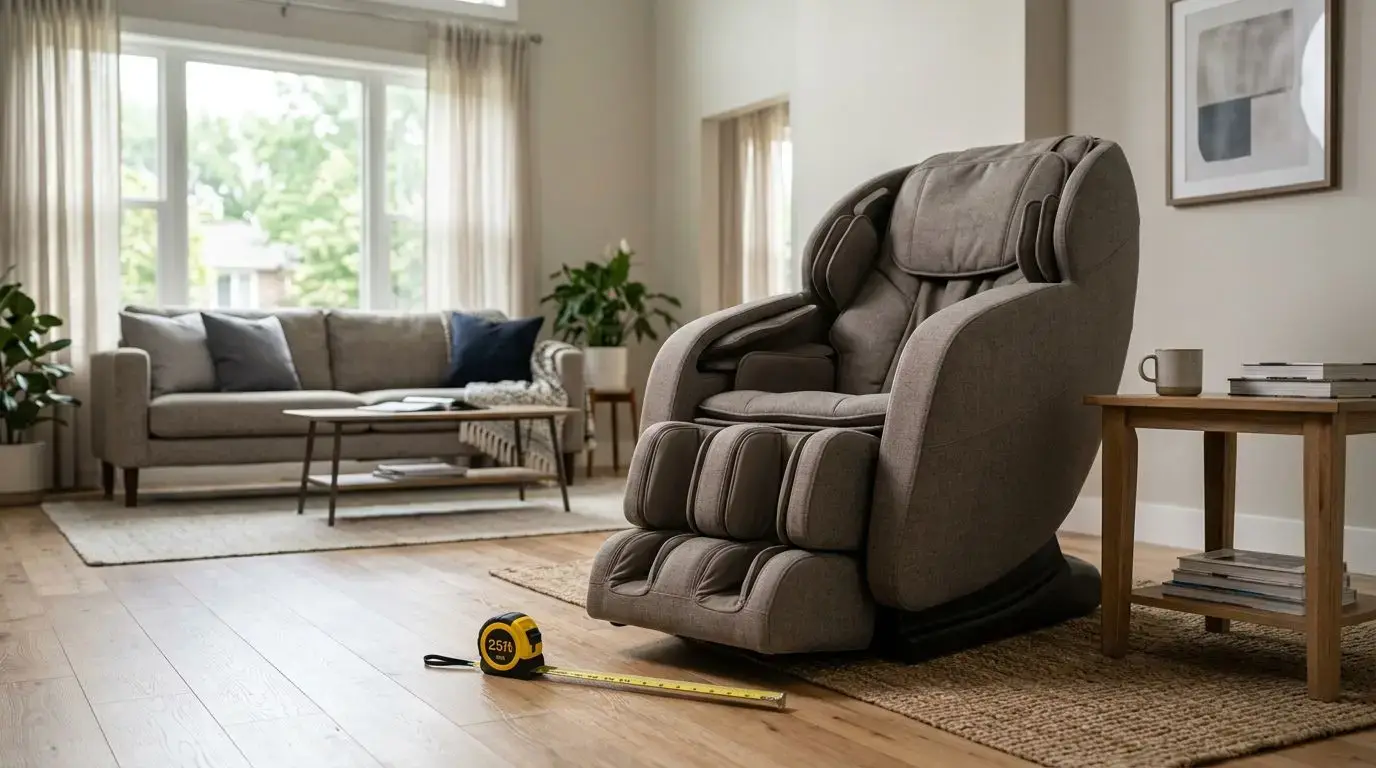
How to Choose a Massage Chair for Home Use
14 min read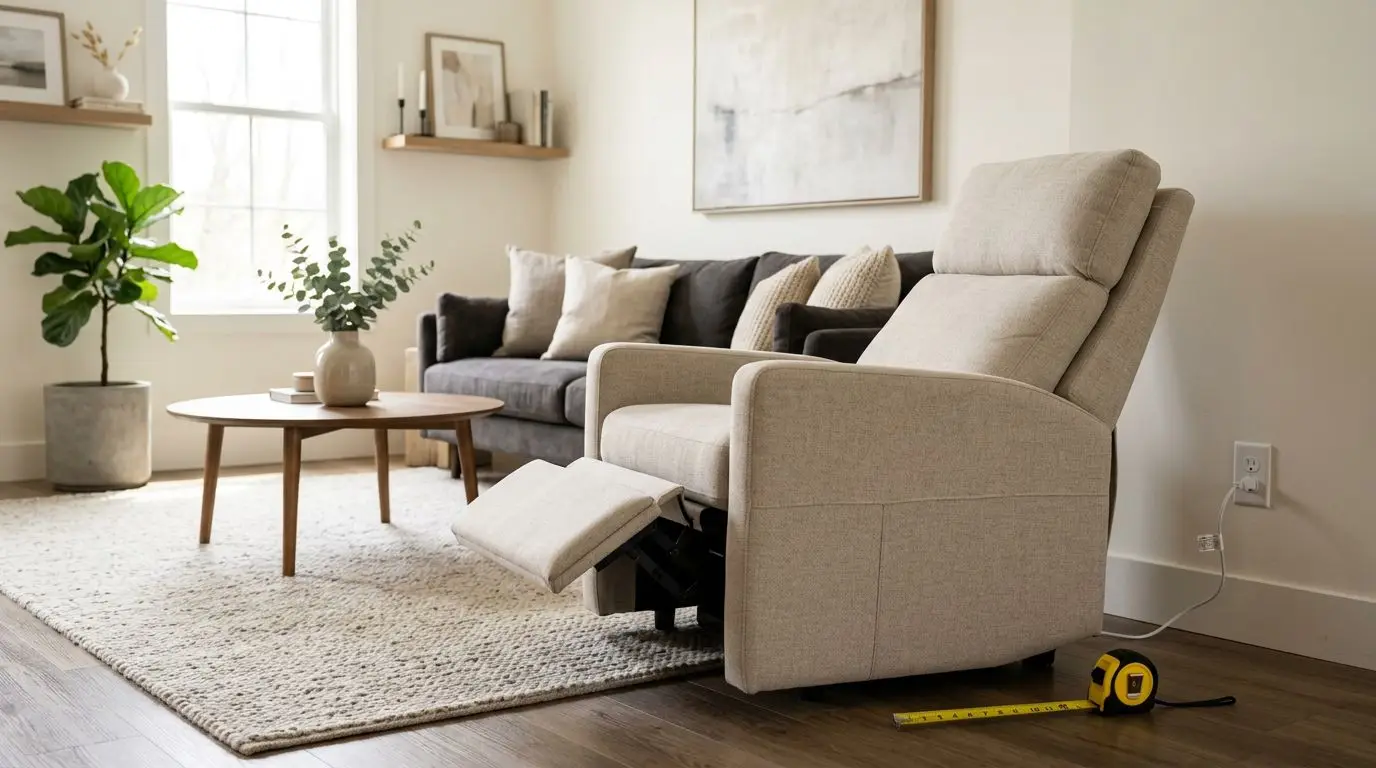
Electric Massage Chair Features Explained: Motors, Recline Systems, Rollers, and Power Requirements
14 min read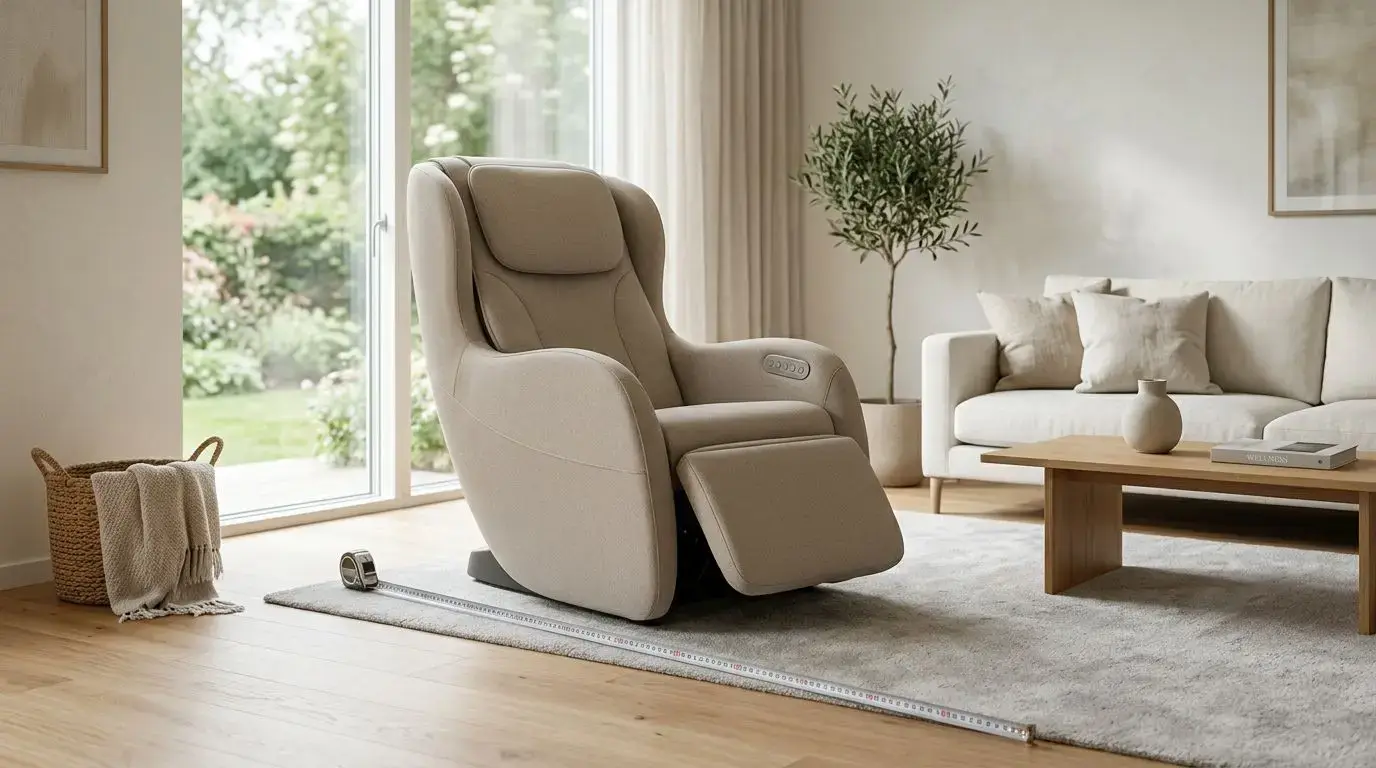
Is a Massage Chair Worth It? Benefits, Limitations, and Who Should Buy One
13 min read