Disclosure: We may earn a commission when you buy through links on this page, at no extra cost to you. We buy nothing, sell nothing and accept no payment for coverage — commissions never decide what we recommend. How we make money.
A massage chair can be a useful comfort tool for everyday lower-back tightness or non-specific discomfort, especially when you keep the settings gentle and use it for 10 to 15 minutes. It is not a medical device, and it should not replace a physician’s advice, diagnosis, or care if your back pain is severe, persistent, spreading, or connected to an injury.
The best results usually come from a chair with good lumbar coverage, adjustable intensity, a recline position that feels supported, and a routine you can repeat without overdoing it. Think of the chair as a way to help your back feel less tense and more comfortable at home, not as a cure for a back problem.
What a massage chair can — and cannot — do for lower-back discomfort in a 10- to 15-minute session
A massage chair is built to provide pressure, movement, warmth, and positioning. For the lower back, the most useful sensations usually come from rollers that move along the spine area, air cells that compress around the hips or seat, and a reclined posture that takes some strain off your back while you sit.
That can feel good. It may help you unwind after a long day at a desk, make a stiff-feeling lower back feel more relaxed for a while, or give you a reliable way to take a short break without booking an appointment. Many chairs include automatic programs that run about 15 minutes, which is a practical limit for most everyday users.
What it cannot do is tell you why your back hurts. It cannot correct a disc problem, evaluate nerve symptoms, treat an injury, or replace hands-on guidance from a qualified clinician. If pain is new, intense, follows a fall, travels down one leg, causes numbness or weakness, or does not settle down, skip the guessing and call your physician.
Keep expectations simple: comfort, pressure, warmth, and coverage. If a chair makes your back feel worse during or after a session, stop using that setting.
Who it is best for — and who should ask a physician first, including 8 higher-risk situations
A massage chair is usually best for adults who want a convenient wellness product for routine back tightness from sitting, driving, light household strain, or general end-of-day stiffness. It can also suit people who like predictable pressure, since the rollers follow the same path every time and most chairs let you choose low, medium, or high intensity.
It is not the right first step for everyone. Some people should ask a physician before using a massage chair, especially when the discomfort is more than ordinary soreness or another health concern changes what is safe.
- Pregnancy, especially before using heat, deep pressure, or strong recline positions.
- A pacemaker or other implanted cardiac device.
- Known blood clots, a history of clots, or use of anticoagulant medication.
- Osteoporosis or fragile bones.
- Recent fracture, surgery, joint replacement, or significant injury.
- Spinal disc problems, spinal instability, or diagnosed spine conditions.
- Neuropathy, reduced sensation, or difficulty judging pressure and heat.
- Uncontrolled hypertension or symptoms such as dizziness, faintness, or chest discomfort.
Use extra caution if you bruise easily or cannot comfortably get in and out of a reclined chair. A typical full-size massage chair can weigh 150 to 300 pounds, and the seat height, arm position, and footrest angle can make transfers harder for some users.
Settings that matter most for the lower back: 6 features to understand before you buy
Lower-back comfort is not just about buying the strongest chair. In many homes, the better choice is the chair that can start gently, target the lumbar area accurately, and let different users make small adjustments. Look for controls you can understand within 2 minutes, not a remote filled with dozens of confusing icons.
| Feature | What it does | Why it matters for the lower back | Practical buying tip |
|---|---|---|---|
| Adjustable roller intensity | Changes how firm the roller pressure feels | Lower backs can be sensitive; softer pressure is often easier to tolerate | Choose a chair with at least 3 intensity levels if multiple people will use it |
| Manual spot control | Lets you pause or position rollers near one area | Useful when you want focus around the lumbar area instead of a full-back program | Check that the remote allows up/down roller adjustment, not only preset programs |
| Heat | Adds surface warmth in the back, seat, or legs depending on design | Warmth can make a session feel calmer and more comfortable | Use heat in short sessions, often 10 to 15 minutes, and avoid it if you cannot feel temperature well |
| Zero-gravity style recline | Reclines the chair and raises the legs | Can make the roller pressure feel more evenly distributed | Test both recline stages if available; the deepest angle is not always the most comfortable |
| Body scan | Estimates shoulder or back position before the program starts | Helps align roller travel to your body size | Expect to fine-tune it; body scans are helpful but not perfect |
| Seat and hip air cells | Compress and release around the hips, thighs, or seat | Adds surrounding pressure without relying only on spine-area rollers | Look for adjustable air intensity, especially if you dislike a squeezed feeling |
If you have a sensitive lower back, more intensity is not a win. Start at the lowest level for the first 3 sessions. Increase only if the pressure feels pleasant during use and later that day.
Track and roller designs compared: 28-inch S-tracks vs 45- to 53-inch L/SL-tracks
The track is the rail system that guides the rollers. It has a major effect on how much of your back and seat the chair can reach. For lower-back shoppers, this is one of the most important design differences to understand.
| Design type | Typical coverage | How it tends to feel | Best fit |
|---|---|---|---|
| S-track | Often about 28 to 32 inches, from upper back to lower back | Follows the general curve of the spine area | Users who mainly want back coverage and do not care about seat massage |
| L-track | Often about 45 to 53 inches, continuing under the seat | Extends roller contact from the back into the glute area | Users who want lumbar plus seat-area coverage |
| SL-track | Similar long coverage, shaped to follow the back before curving under the seat | Combines a contoured back path with extended lower coverage | Users prioritizing lower-back and hip-area comfort |
| 2D rollers | Move up/down and side-to-side depending on design | Usually simpler and less forceful | Budget-focused shoppers or users who prefer lighter pressure |
| 3D rollers | Add in/out depth control | Can feel deeper or softer depending on setting | Households with different pressure preferences |
| 4D rollers | Add programmed speed and rhythm changes to 3D-style depth | More varied sensation, sometimes more intense | Users who want more customization and will actually adjust settings |
For lower-back comfort, an L-track or SL-track often provides more useful coverage because it continues below the beltline and into the seat area. Still, a well-fitted S-track with good spot control can feel better than a long-track chair that is too aggressive or poorly sized for your body.
Roller width matters, too. Some chairs let you choose narrow, medium, or wide roller spacing. Narrow may feel more focused along the spine area, while wide may feel broader and less pinpointed. If you can test a chair, spend at least 5 minutes on the lowest back program before judging it.
How to choose and measure: 7 fit checks for your body, room, and doorway
A chair that does not fit your body or your room will not be used much. Before comparing features, measure the path into your home and the space where the chair will live. Many full-size chairs need a doorway around 30 to 32 inches wide, though packaging and removable parts vary.
- Doorway width: Measure the narrowest doorway, hallway turn, and stair landing. Do not measure only the front door.
- Chair footprint: Check both upright and fully reclined dimensions. A chair that looks compact upright can extend several inches when reclined.
- Wall clearance: Some space-saving recline designs need only about 2 to 6 inches behind the chair, while others need much more.
- User height range: Many chairs are built around a broad adult range, often roughly 5 feet to 6 feet 4 inches, but fit varies by shoulder height and leg length.
- Seat width: Common interior seat widths are often around 19 to 23 inches. Measure across your hips while seated and leave room for comfort.
- Weight capacity: Check the published limit. Many chairs fall somewhere around 250 to 300 pounds, but this is not universal.
- Calf and foot fit: If the leg rest is too short or too tight, your lower back may not settle comfortably into the chair.
When possible, sit in the chair in normal clothing and empty your back pockets. Your pelvis should sit back in the seat without forcing your lower spine into a hard arch. If the rollers hit bone sharply or the footrest pulls your body out of position, choose a different fit or a gentler design.
A safe 10-minute lower-back routine for first-time users
Start shorter than you think. A strong 30-minute session can leave some users feeling sore from pressure alone, especially if they are new to roller massage. A simple 10-minute routine is a better first test.
- Minute 0 to 1: Sit fully back, remove bulky items from pockets, and set the chair to its lowest intensity.
- Minute 1 to 3: Run a gentle full-back or lower-back program without heat. Notice whether the rollers feel broad and comfortable or sharp and bony.
- Minute 3 to 6: If the chair allows manual control, move the rollers near the lower back and keep pressure light.
- Minute 6 to 8: Add mild recline or a zero-gravity style position if it feels supported. Do not force the deepest recline.
- Minute 8 to 10: End with a lower intensity or turn off the rollers and sit quietly before standing.
Use heat only after you know the pressure setting feels good. If you add heat, keep it brief at first and avoid falling asleep in the chair. People with reduced sensation, neuropathy, or difficulty judging temperature should ask a physician before using heated features.
After the session, stand up slowly. If you feel dizzy, unusually sore, numb, or unsettled, stop using the chair and reassess the settings. Discomfort during use is a signal, not something to push through.
Common lower-back massage chair mistakes: 5 ways people overdo it
The biggest mistake is using maximum intensity too soon. A chair can feel impressive in a showroom for 3 minutes and still be too aggressive for daily use at home. Lower-back comfort usually rewards consistency, not force.
- Using the highest roller depth right away: Start low for the first several sessions, especially with 3D or 4D rollers.
- Running back-to-back programs: Many automatic programs last 15 minutes. Doubling that may be more pressure than your body likes.
- Ignoring roller location: If rollers repeatedly hit the pelvis, ribs, or spine in a sharp way, adjust the body scan or stop that program.
- Using heat too casually: Warmth should feel comfortable, not hot. Do not use heated features where you cannot sense temperature normally.
- Buying only for feature count: A chair with 20 programs is not automatically better than one with fewer programs and better manual control.
Another common issue is expecting one chair to suit everyone equally. A 5-foot-2 user and a 6-foot-3 user may experience the same roller path very differently. If the chair will be shared, prioritize adjustable shoulder position, roller depth, air intensity, and leg-rest length.
What to look for if your main goal is everyday lumbar comfort: 9-point buyer checklist
If lower-back comfort is the reason you are shopping, do not get distracted by every extra feature. Use this checklist to compare generic chair types and decide which tradeoffs matter.
- An L-track or SL-track if you want coverage below the beltline and into the seat area.
- At least 3 roller intensity levels, with a genuinely gentle low setting.
- Manual spot positioning so you can place rollers near the lumbar area.
- Adjustable roller width if you are sensitive to pinpoint pressure.
- Heat that can be turned on and off separately from the massage program.
- A recline position that feels stable after 5 to 10 minutes, not just impressive at first.
- A seat width and leg rest that match your body, not just the published height range.
- Clear controls with a pause or stop button you can find quickly.
- A return policy, delivery plan, and room measurement that make sense for a 150- to 300-pound item.
If you can test chairs locally, bring the same criteria with you. Sit long enough to notice pressure, noise, recline comfort, and whether your lower back stays supported when the rollers move. Five minutes tells you more than a spec sheet.
FAQ: 5 lower-back massage chair questions
How often should I use a massage chair for lower-back discomfort?
Many people start with 10 to 15 minutes, a few times per week, on low intensity. If you feel sore afterward, reduce the time, lower the pressure, or take a day off. More time is not automatically better.
Is heat necessary for lower-back comfort?
No. Heat is optional. Some users like the added warmth, while others prefer rollers without heat. If you use heat, start with one short session of about 10 minutes and avoid it if you have reduced sensation or have been told to avoid heat.
Is a zero-gravity recline better for the lower back?
It can feel better for some users because the reclined position changes how body weight rests against the chair. It is not automatically better for everyone. Test more than one recline angle and use the one that feels supported for at least 5 minutes.
Should I choose an S-track or an L-track for lower-back focus?
An L-track or SL-track usually offers more coverage for the lower back and seat area because the rollers extend farther, often into the 45- to 53-inch range. An S-track can still work well if you mainly want back-only coverage and prefer a simpler design.
When should I avoid using a massage chair and call a physician?
Ask a physician before use if you are pregnant; have a pacemaker or implanted cardiac device; have blood clots or take anticoagulants; have osteoporosis, neuropathy, uncontrolled hypertension, recent surgery, a recent fracture, spinal disc problems, or new severe symptoms. Also seek medical guidance if pain follows an injury, spreads down a leg, or comes with numbness or weakness.
A massage chair can be a helpful comfort purchase when the fit, settings, and expectations are right. Keep sessions short, choose adjustable pressure over brute force, and treat any unusual or persistent back pain as a reason to get professional advice rather than leaning harder on the chair.
Frequently asked questions
How often should I use a massage chair for lower-back discomfort? +
Start with 10 to 15 minutes, a few times per week, on low intensity. If you feel sore afterward, reduce the time, lower the pressure, or take a day off.
Is heat necessary for lower-back comfort? +
No. Heat is optional. Some users enjoy the added warmth, while others prefer rollers without heat. Use heat briefly at first and avoid it if you have reduced sensation or have been told to avoid heat.
Is a zero-gravity recline better for the lower back? +
It may feel better for some users because it changes how body weight rests against the chair, but it is not automatically better for everyone. Test different recline angles and choose the one that feels supported.
Should I choose an S-track or an L-track for lower-back focus? +
An L-track or SL-track usually offers more lower-back and seat-area coverage because the rollers extend farther under the body. An S-track can still work if you prefer back-only coverage and a simpler design.
When should I avoid using a massage chair and call a physician? +
Ask a physician before use if you are pregnant; have a pacemaker or implanted cardiac device; have blood clots or take anticoagulants; have osteoporosis, neuropathy, uncontrolled hypertension, recent surgery, a recent fracture, spinal disc problems, or new severe symptoms.
Related guides
Massage Chairs for Back Pain: When They May Help and When to Be Cautious
12 min read
Are Massage Chairs Good or Bad for You? Benefits, Risks, and Safe Use Guidelines
13 min read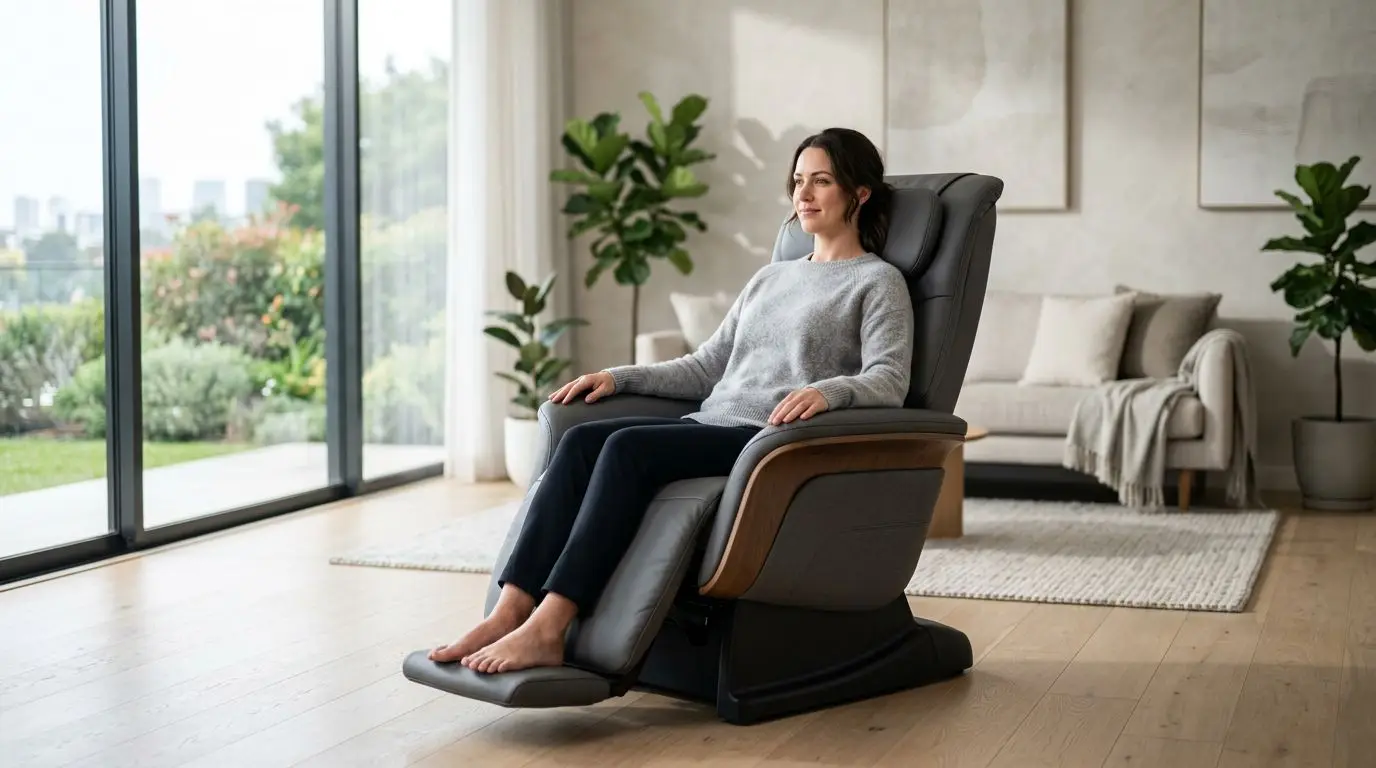
How to Use a Massage Chair for Lower Back Tightness
13 min read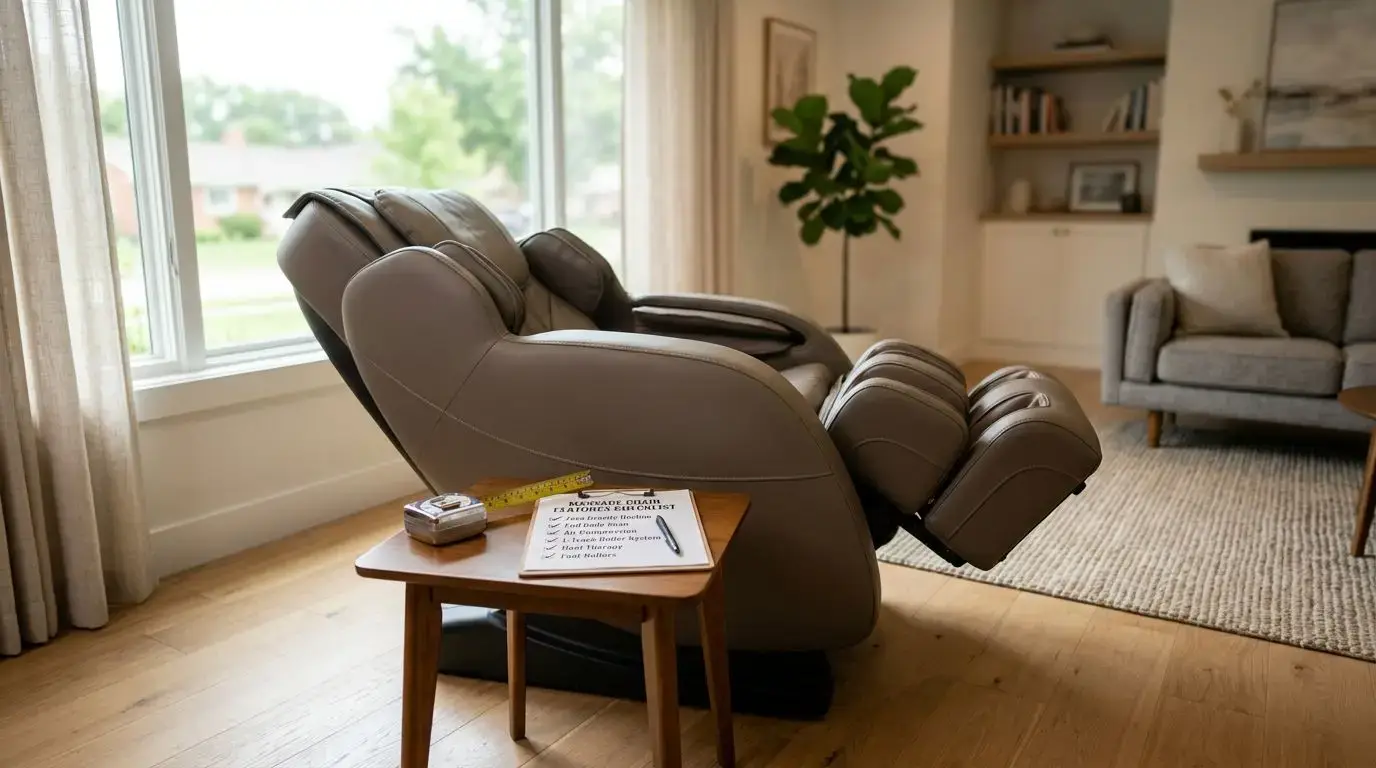
Best Massage Chair Features to Look For Before You Buy
13 min read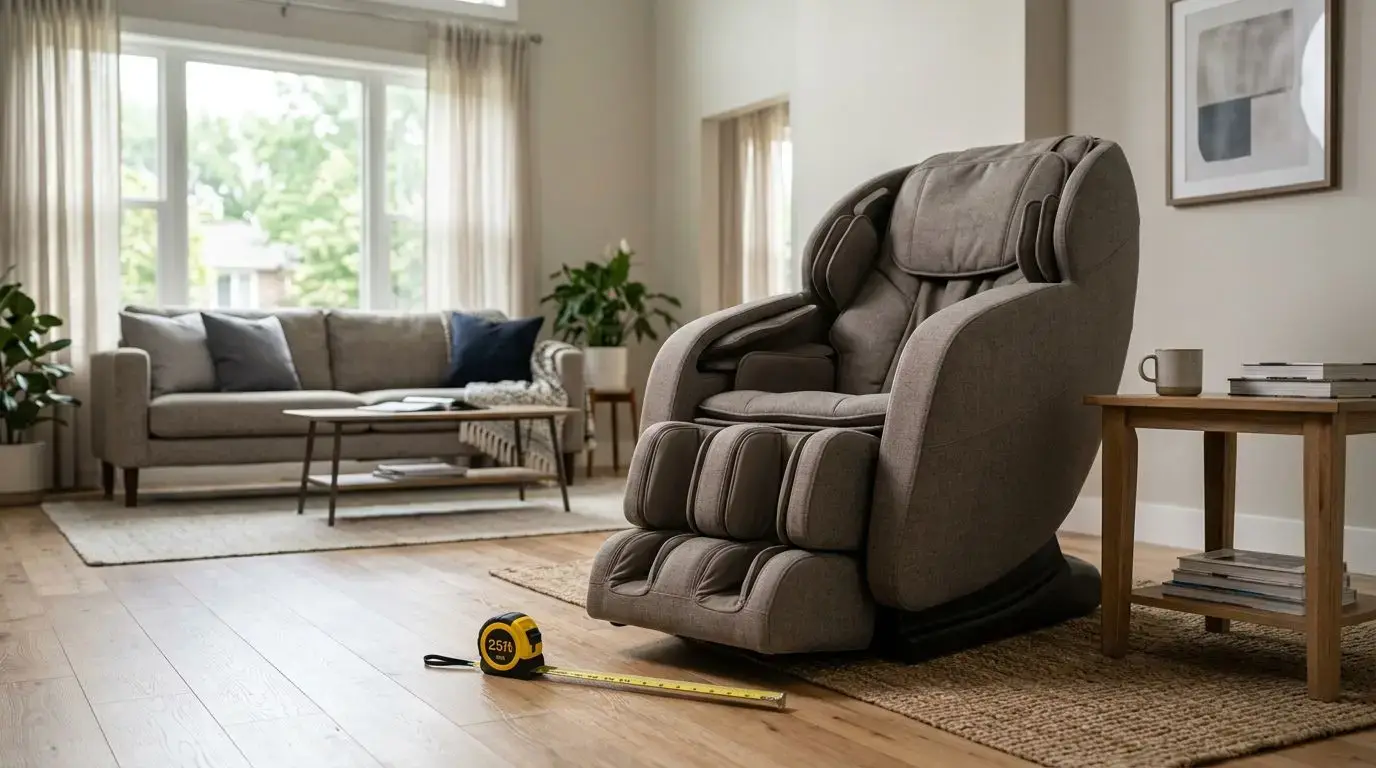
How to Choose a Massage Chair for Home Use
14 min read